Facilities used to check Cotopaxi constructions before a channel release
Images are representative of the inspection sequence. A buyer visit is scheduled against a named site and a named construction, not against a stock photograph.
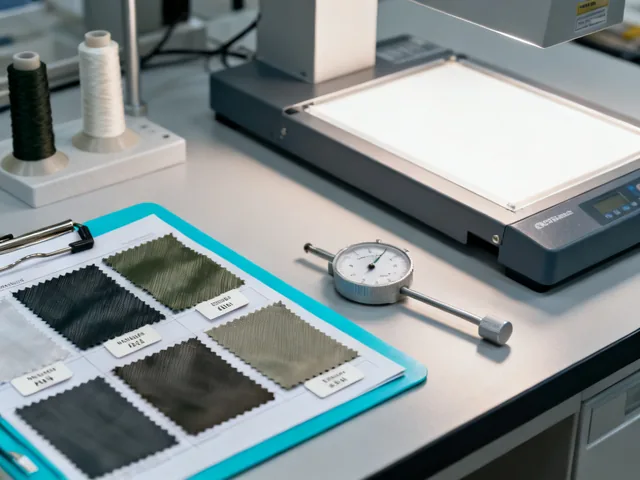

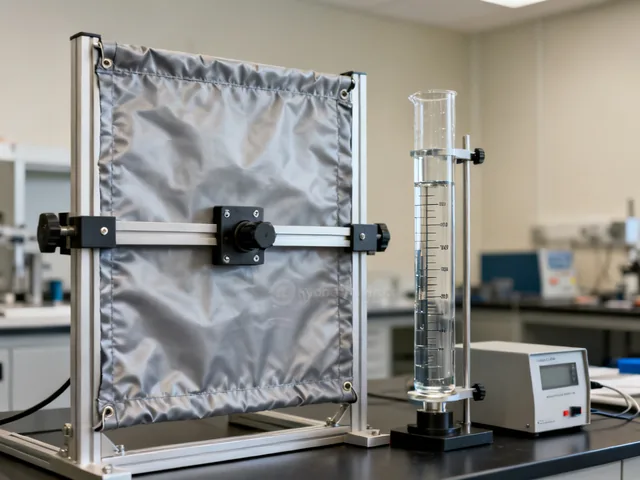
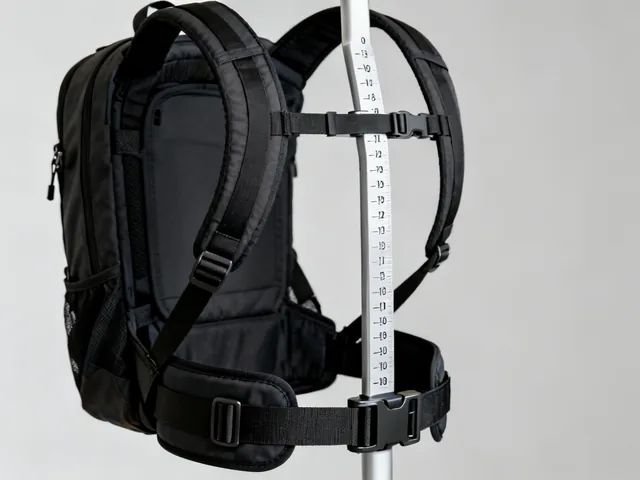
The authority_expert story is a laboratory story: fabric lots, seam maps, harness fit windows and textile reports, not a founder myth. Buyers who need a construction sheet should start here, then open Quality & Compliance for the dossier map.
Cotopaxi records what a pack is made from, how the load path is stitched, and which document proves each claim, so a product team can reject a vague waterproof slogan before it reaches a hangtag.
That sentence is the working brief. Hiking backpacks, travel packs, hydration packs, duffels, cooler bags and kids packs share a documentation habit even when they do not share a denier. A 16L commute pack and a 70L duffel are different abrasion cases; they are not different brands of silence about test method.
Images are representative of the inspection sequence. A buyer visit is scheduled against a named site and a named construction, not against a stock photograph.
How a 210D lid, 420D body and 1000D base should be specified as three inputs, including what a Martindale or Taber request actually changes on a hiking pack.
Why DWR, PU coating and a laminated membrane are not interchangeable hydrostatic-head stories, and how seam taping is scoped only when the construction includes it.
Lagos 15L and 25L routing notes: insulated sleeve, bite-valve park, and why an unreinforced hose grommet fails a channel return review.
Allpa-style 28L–42L travel backpacks: zipper gauge, lockable sliders, and compression-strap anchorage versus a soft duffel in the 50L–70L window.
Publications are method notes. They do not replace a lot-specific test report, a social-audit summary or an ISO 9001:2015 certificate scoped to a legal entity. Cotopaxi will not invent Notified Body numbers or paste a certificate image that does not match the factory named on the purchase order.
Name the liter mark, channel and whether kids-pack CPSIA or EN 71 scope applies. The specification desk routes laboratory questions separately from carton-mark questions.